Food processing systems and medical equipment operate in environments where hygiene, material compatibility, and process control are critical. Sealing components are frequently exposed to cleaning cycles, chemical agents, and controlled media while maintaining dimensional stability and functional reliability.
Unlike heavy industrial sectors, these applications require careful consideration of material compliance, surface compatibility, and installation geometry to support hygienic design standards.
Sealing components in hygienic environments must address specific challenges, including:
These conditions require careful material selection and production control rather than generic industrial solutions.
Pulim evaluates food and medical sealing applications based on media contact, cleaning procedures, pressure range, and dimensional constraints.
Where required, FDA-compliant elastomers and PTFE grades are selected to align with regulatory expectations. Seal geometry is designed to support hygienic installation and minimize areas where contamination may accumulate.
For non-standard equipment designs, CNC machining supports customized profiles and dimensions while maintaining dimensional precision.
Engineering validation ensures compatibility between material properties and operational requirements prior to production.
Pulim supplies sealing components commonly used in food processing and medical equipment, including:
Material selection is aligned with application-specific compliance and operational requirements.
Food and medical applications require structured documentation and controlled production processes. Pulim applies material validation and dimensional inspection procedures aligned with project scope, including:
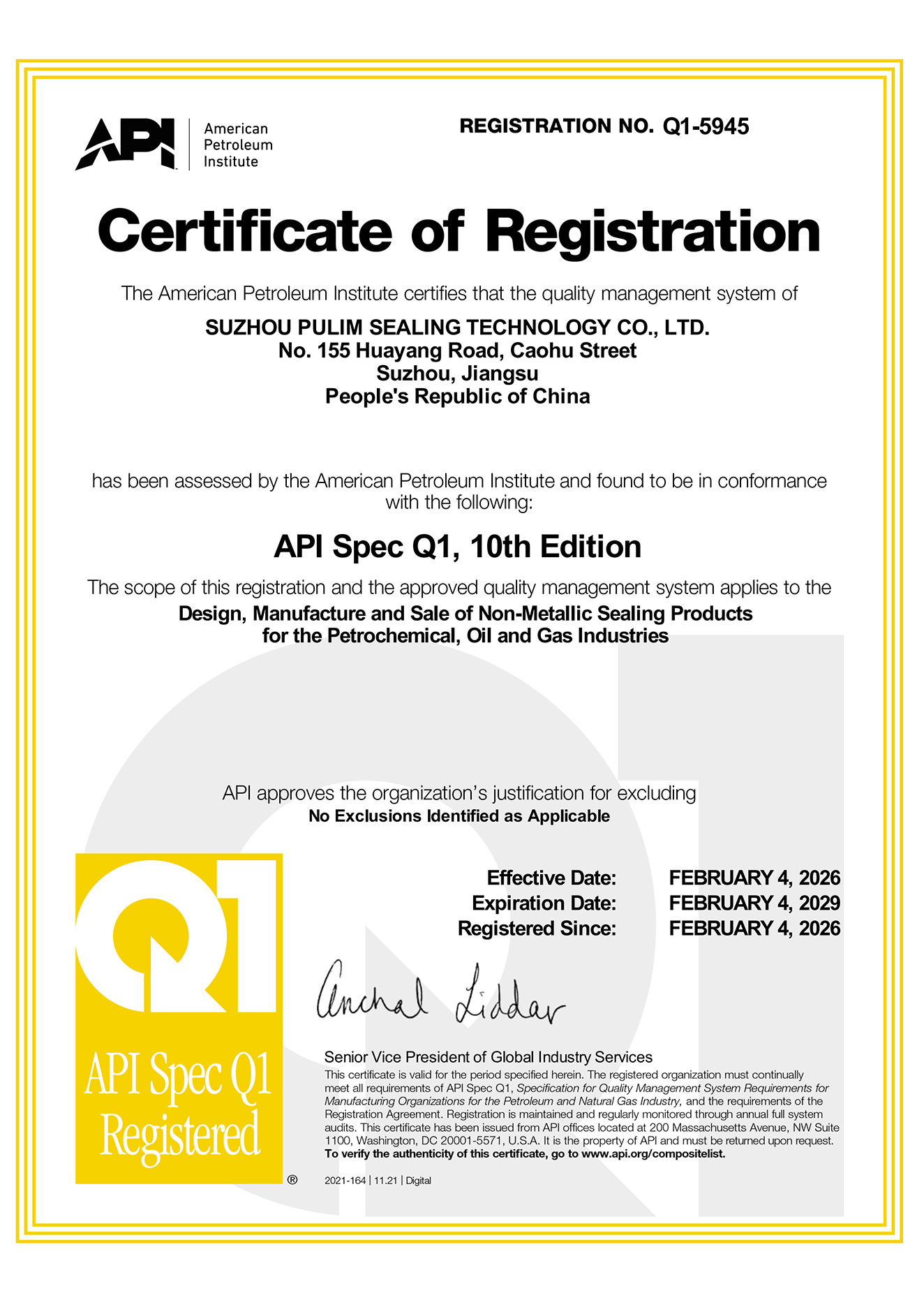
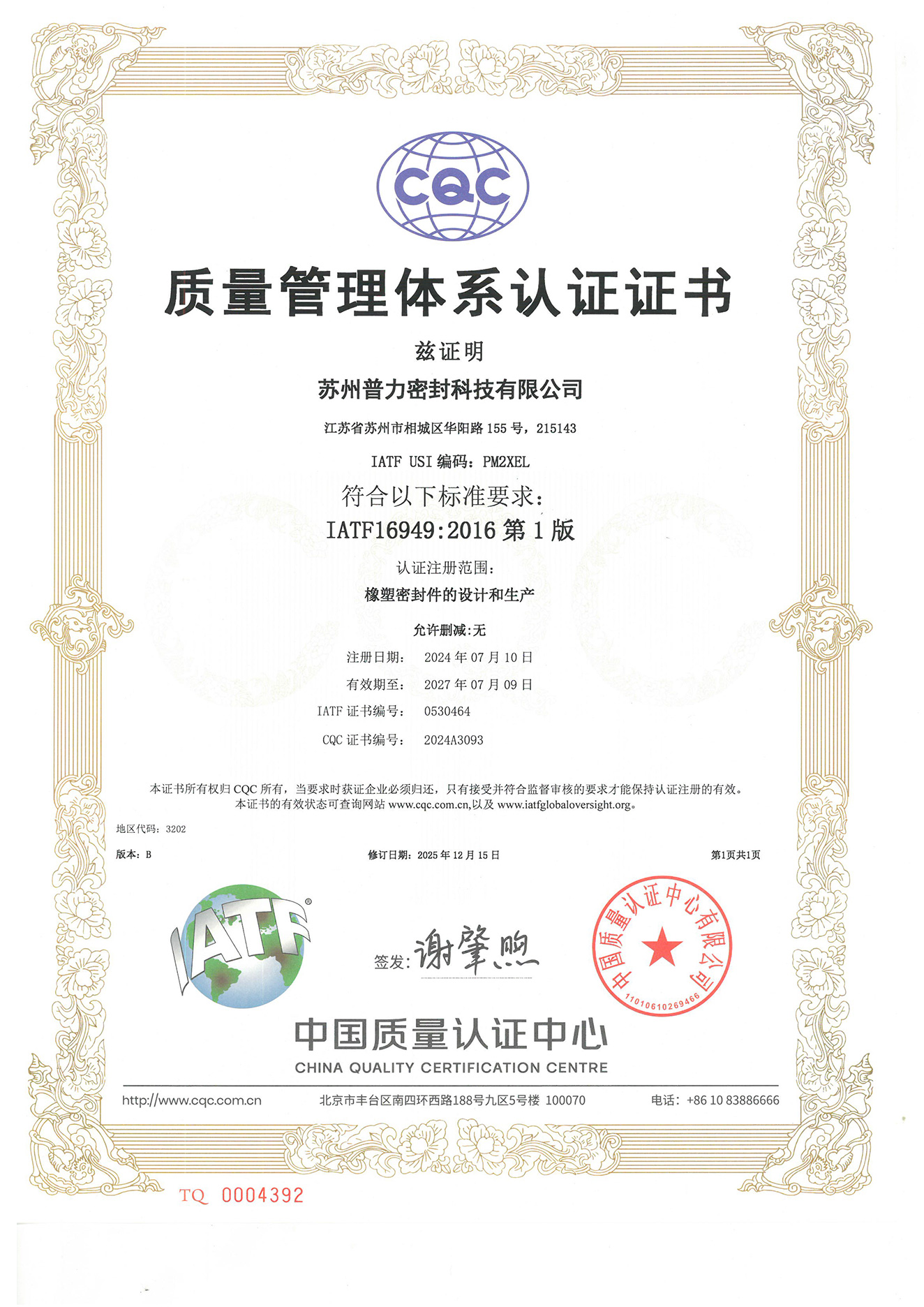
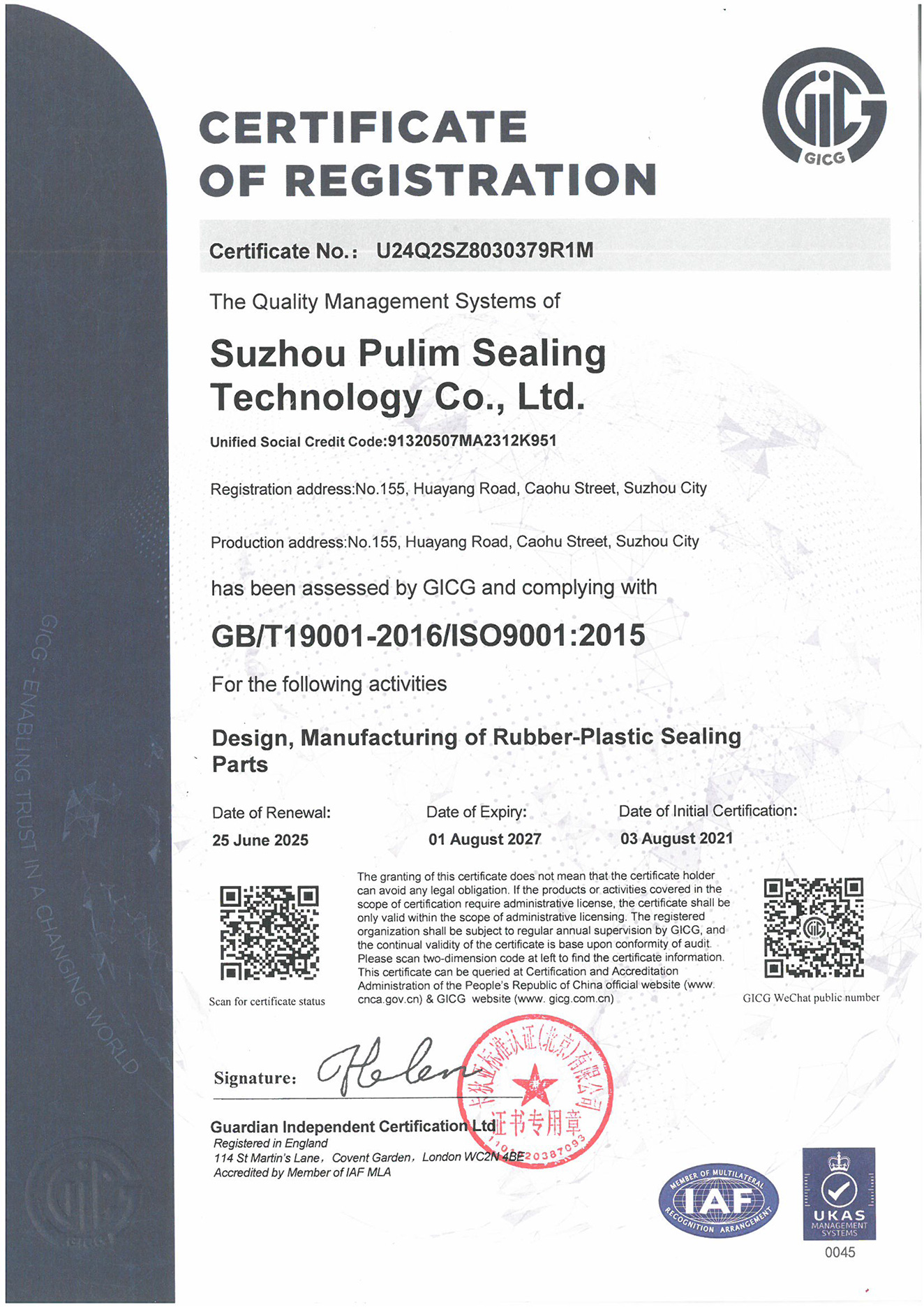
Manufacturing is conducted under established quality management systems to support consistency and documented process control.
Food and medical equipment projects may require both standardized components and specialized customized geometries. Injection molding supports consistent production of common seal profiles, while CNC machining enables customized designs for specialized equipment.
Integrated production systems assist in maintaining repeatability and structured documentation for regulated applications.